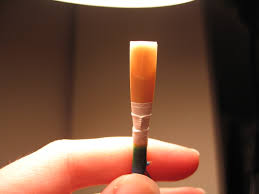
Oboe, vecchia fiamma!!!

L’oboe è stato il mio primo strumento “studiato” al Conservatorio con risultati sufficienti viste le ore anzi, i minuti che vi dedicavo ogni giorno. Ovviamente nessuna pretesa ma già a 8 anni avevo diversi impegni musicali. La fisarmonica, le composizioni e gli arrangiamenti cartacei per musicisti oltre la scuola elementare. Dell’oboe ricordo bene le posizioni delle note (anche quelle scomode) e di conseguenza nel 2013 ho scritto dei brani con tecnica di respirazione circolare, alcuni dei quali in originale duo per oboe e v.cello ma ho fatto versioni per clarinetto, sax soprano, quartetto per clarinetti.

Un altro brano per 2 oboi e orchestra d’archi e qualche solo per oboe da terminare.
_______________________________________________________________________

The oboe has been my first instrument I studied when at the conservatory with sufficient results in spite of the few hours…. or better the few minutes I dedicated each year. Obviously no pretences …but when I was 8 I already had some musical duties beside my elementary school work: the accordion, the compositions and the arrangements for musicians. As far as the oboe I perfectly remember the position of the notes ( including the unconfortable ones!!!!) and as a consequence in 2013 I wrote some pieces with circular breathing technique,  Some of them were written for oboe and cello but I also wrote a version for clarinet, soprano sax, quartet for clarinets.

Another piece for two oboes and string orchestra, and some solos for oboe are to be finished.
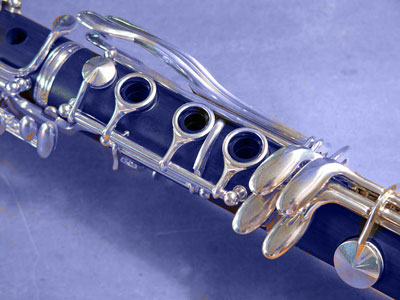
Il ritorno del clarinetto

Con più di 50 anni di arrangiamenti-orchestrazioni-composizioni mi stavo per “dimenticare” del clarinetto, uno strumento con una estensione e una sonorità invidiabile. Sergio Delmastro, clarinettista concertista ed insegnante al Conservatorio di Milano e di Lugano nonchè compagno di studi al Conservatorio, ha il merito di avermi portato a scrivere per questo strumento. Anche per clarinetto basso, che con circa 6 ottave a disposizione permette di poter scrivere anche la parte bassa.

Mi sono buttato a capofitto e il risultato è stato di una decina di brani per: solo, duo, trio, quartetto e  quintetto. Per ottetto (2 oboi 2 clarinetti 2 fagotti 2 corni) ho scritto due brani. Tramite Sergio Delmastro ho avuto modo di far ascoltare questi pezzi a Milan Rericha, clarinettista concertista e insegnante al Conservatorio di Lugano, che ha voluto tutte le partiture complete. 7 pezzi di cui uno con dedica.

______________________________________________________________________

After more than 50 years spent in arranging,composing and orchestrations, I was almost forgetting about tha clarinet, an instrument with an enviable extension and sonority. Sergio Delmastro a clarinet concert player and teacher at the Conservatory in Milan and Lugan, plus a mate of mine in Conservatory, has pushed me to write pieces for the quoted instrument as well as for bass clarinet which, thanks to its 6 available octaves, lets you write the low part as well.

L’orecchio assoluto

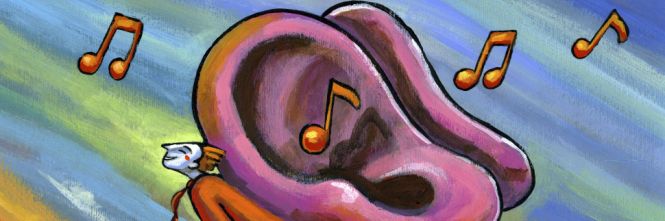
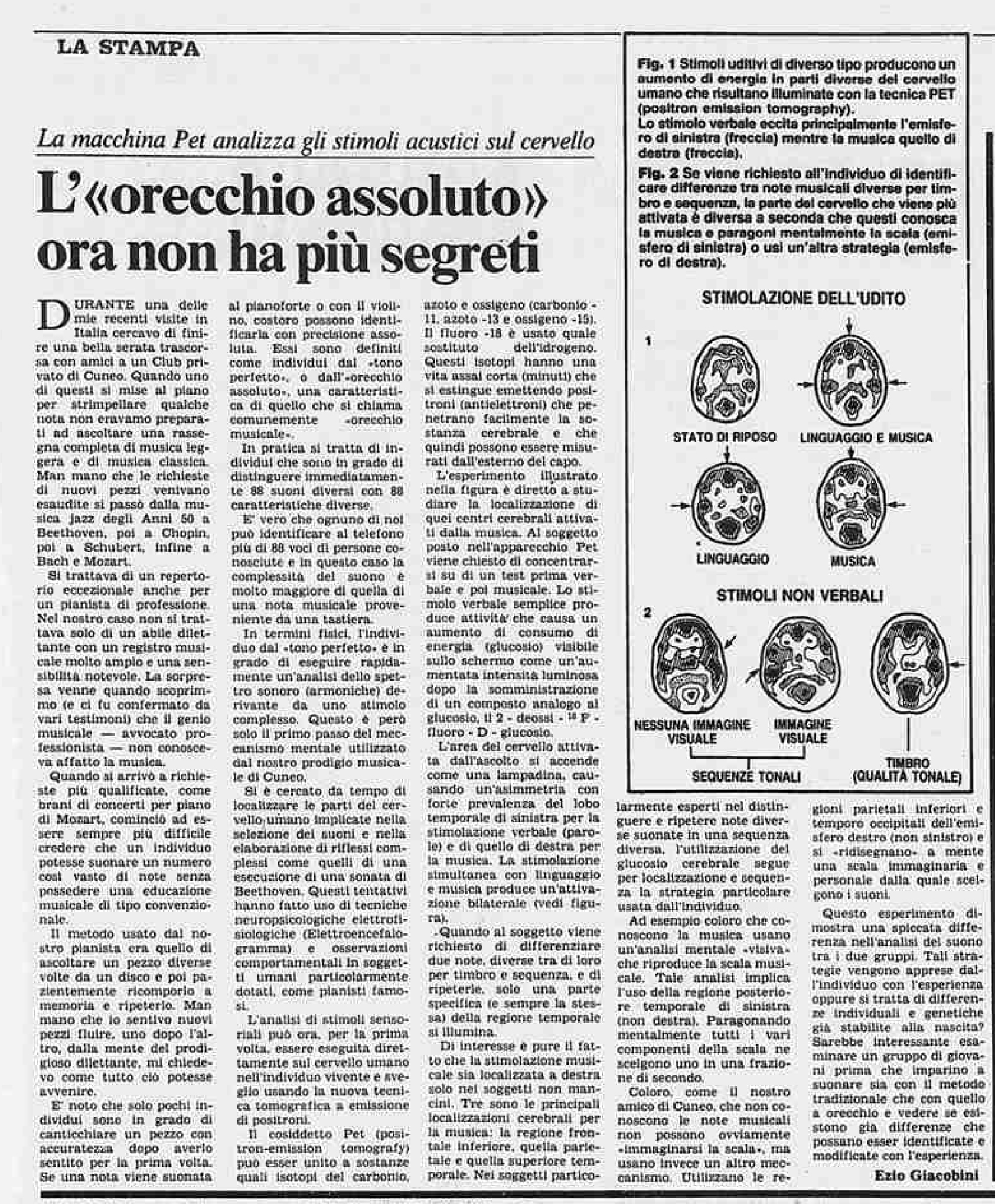
Avevo 24 mesi quando mio padre si accorse che avevo l’orecchio assoluto. Suonavo una piccolissima fisarmonica di 25 tasti e 12 bassi ad orecchio ma non sapevo il nome delle note: la nota SOL per me era il dito 5, il mignolo, il Re il n.2, il FA il n.4 e così via. Subito dopo aggiunsi il LA e il SI e al volo qualsiasi tipo di accordo. Quando mi si chiede come si può fare a riconoscere le note io non so rispondere. Le persone che non fanno musica non riescono a capire e io passo per un borioso. Invece chi è del mestiere dovrebbe capire anche se… più di una volta amici e conoscenti musicisti hanno provato a riconoscere una nota senza riferimento (di un’altra) ma non sono riusciti dicendo ad esempio un FA invece del MI oppure un RE, ma hanno detto: “ci siamo andati vicino” invece erano molto lontani perché se percepisci una nota le riconosci tutte per forza ed è impossibile sbagliare. Gli accordi sono un’altra cosa. Bisogna studiare l’armonia o/e avere esperienza sullo strumento. Non ho mai usato la parola “indovinare una nota” ma “riconoscere una nota” anche perché le note… “parlano”!!! Fate bene attenzione. L’unico inconveniente è suonare e trasportare un brano con una tastiera elettronica usando il traspositore. Non ci riesco e mi gira anche la testa,insomma, come se non fossi capace di suonare per niente. Incredibile ma è così. Per chi ha l’orecchio assoluto le note sono quelle e basta. Ad esempio non potrei mai suonare con l’accordatura più bassa di 437 e più alta di 443 hertz. La migliore per il mio orecchio è 440/442. Qualcuno dice che studiando ci si arriva ma per il momento non ho ancora sentito questa notizia che poi sarebbe da verificare. Con gli anni certamente si può migliorare il proprio orecchio musicale. Quando si ascolta un brano e nello stesso tempo si scrive sul pentagramma non c’è bisogno di verificare con uno strumento se le note o gruppi di accordi, anche 6/7, sono giuste. Si scrivono ed è finita lì. Ci sarebbe il secondo inconveniente ma per il momento mi fermo qui.

______________________________________________________________________

I was 24 months old when my father realised I had a perfect pitch. I played a small armonium, with 25 keys and 12 basses, by ear without knowing the key names: the note G for me was just my fifth finger pinkie, the D my second one and so on. Soon after I added a second note and soon any kind of chord. When I was asked how I could recognise the notes I couldn’t answer.Those who don’t work with music cannot understand me, so I seem to show myself off!!! Those doing my same job should understand me even if more than once, musicians and friends thought they had caught the note while they were not even close to it. As far as the chords it’s a different matter, you need to study harmony and be able to experience on an instrument. I never thought I guessed a note, I simply recognise a note since notes “ speak “to me. The only problem is to transport a piece with an electronic keyboard by using a transposer… I can’t! I feel confused as if I couldn’t play at all. It sounds strange but it’s so!!! For those who have a perfect pitch notes are notes and that’s it.I could never play with a tuning lower than 437 or higher than 443 hertzs. The best for my ear is 440/442. When you hear a piece and you write it down onto the pentagram, you don’t need to check if the notes or group of notes are right. You just write them down as if they were dictating you and that’s all!!!

Roberto Bocca

0994_05_1986_0228_0003

Il suono del violoncello

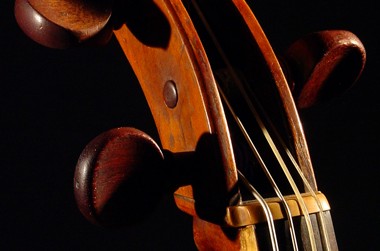
Il violoncello? Una voce straordinaria e una estensione di ottave invidiabile. Avrei voluto studiarlo ma ho optato per altri strumenti e non so perchè. Forse l’idea era che per poter comporre meglio bisognasse saper suonare più strumenti. Comunque l’ho riscoperto nel 2000 scrivendo un brano per violoncello e organo a canne. Nel 2003 scrissi un altro pezzo e dal 2012 ho composto altri 15 brani (solo, duo, trio, con orchestra e 8 celli, 3 brani per oboe e violoncello). Di questi, 6 pezzi con relativi spartiti completi sono in visione da Enrico Dindo, violoncellista di fama mondiale che non ha bisogno di presentazioni, a cui ho dedicato un brano per violoncello e pianoforte di forma jazzistica dal titolo “Improvviso”.

_______________________________________________________________________________________

The cello? An extraordinary voice and an enviable extension of octaves. I would have liked to study it, but I preferred to choose other instruments even if I don’t know the reason why. Maybe the idea was that in order to compose better you should have learnt more than one instrument. But I rediscovered it when writing a piece for cello and pipe organ. In 2003 I wrote another piece and since 2012 other pieces (solo, duo, trio orchestra and 8 celloes, 3 pieces for oboe and cello). Among these, 6 are available together with the scores at Enrico Dindo’s, world famous cellist, who does not need any introduction, to whom I dedicated a piece for piano and cello under a jazz form titled “Improvviso”.

La marimba oggi

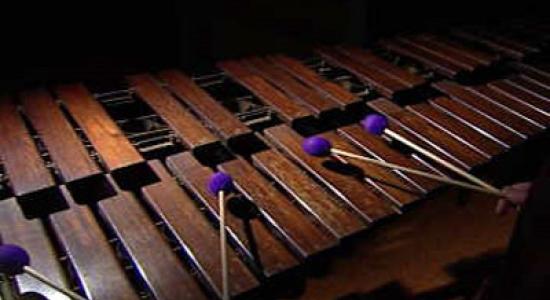
Il moderno repertorio per marimba include brani solistici, ensembles di percussioni, concerti per marimba e orchestra, jazz ensembles, marching band wind ensemble o composizioni per orchestra. I compositori contemporanei hanno utilizzato sempre più spesso il suono unico della marimba, ed è ormai comune trovarla nella nuova musica per wind ensemble anche se un po’ meno per orchestra.

Avvicinatomi casualmente allo strumento nell’estate 2012 ascoltando un diplomando che suonava, rimasi affascinato dalle sue sonorità e stimolato nella creatività in sei mesi composi decine di pezzi: 16 brani con organico formato da 3 percussionisti (marimba,vibrafono,xilofono,timpani) + pianoforte e c.basso.

In seguito scrissi altri pezzi. Un giorno del 2013 ho avuto la fortuna di conoscere Simone Rubino, giovane percussionista dal talento indiscusso e con una sicurezza nel suonare imbarazzante, al quale ho dedicato un brano per sola marimba dal titolo “ Esegesi ” che fa parte del suo repertorio. Seguirono altri 12 brani per marimba-vibrafono-percussioni, di cui 4 con orchestra d’archi. Infine un concerto per marimba e orchestra da terminare. Appena possibile pubblicherò alcune demo da ascoltare.


______________________________________________________________________

The modern repertory for marimba includes solo pieces, percussions ensembles, marimba and orchestra concerts, jazz ensembles, marching band wind ensembles or orchestra compositions. Nowadays, composers have been using the unique sound of marimba and it’s rather common to find it in the new music for wind ensemble.

I approached the instrument by chance in summer 2012 while listening to a graduating student playing it. I got fascinated by its sonorities and was pushed to create in six months tens of pieces, 16 pieces for three percussionists (marimba, vibraphone, xylophone and kettledrums) + piano and contrabass.

Once I met Simone Rubino , a young percussionist of an undiscussed talent and an embarassing ability in playing, to whom I dedicated a piece for marimba solo entitled “ Esegesi ” which is now part of his repertory. Some other 12 pieces for marimba vybraphone and percussions, 4 of which with a string orchestra, followed. At last a concert for marimba and orchestra to be finished. As soon as possible I will pubblish some demos to be listened to.